Food Industry HVAC Solutions

Precise, hygienic, and energy-efficient climate control for safety and quality.
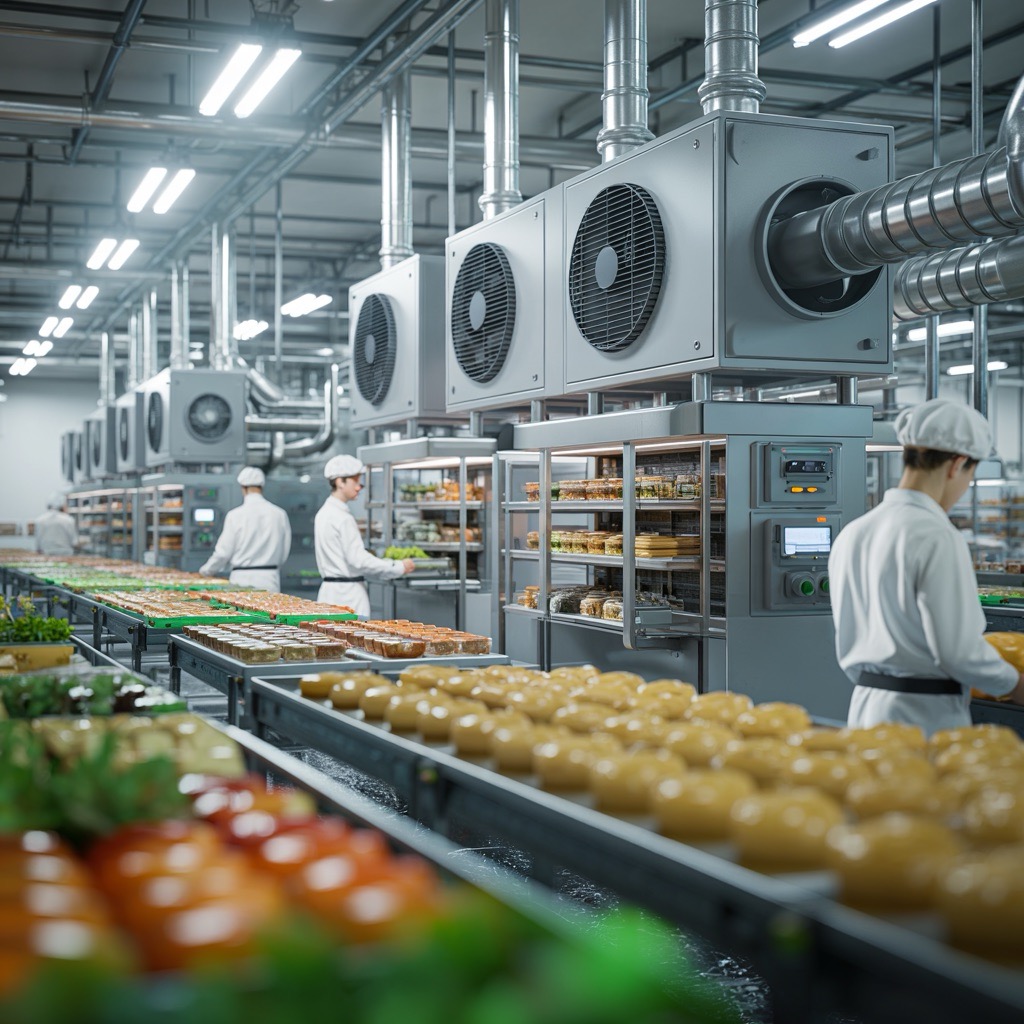
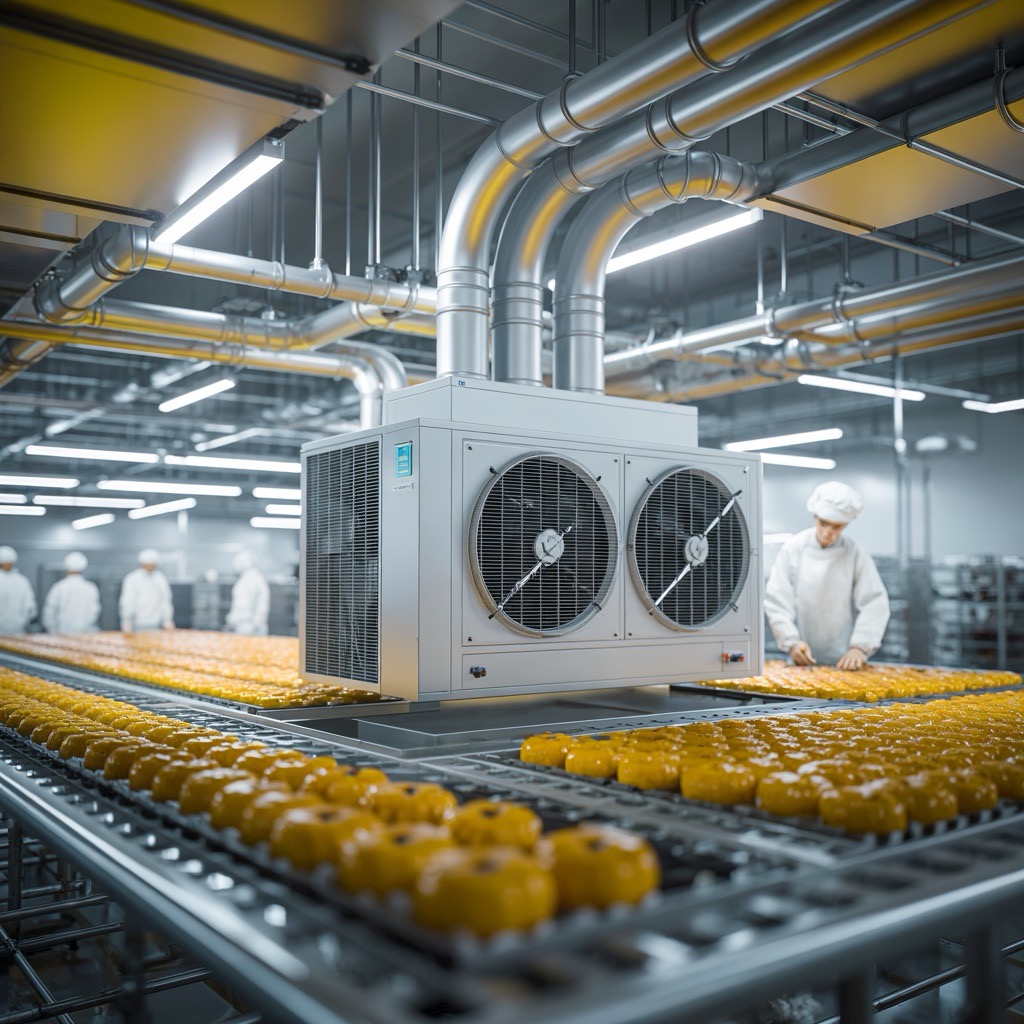
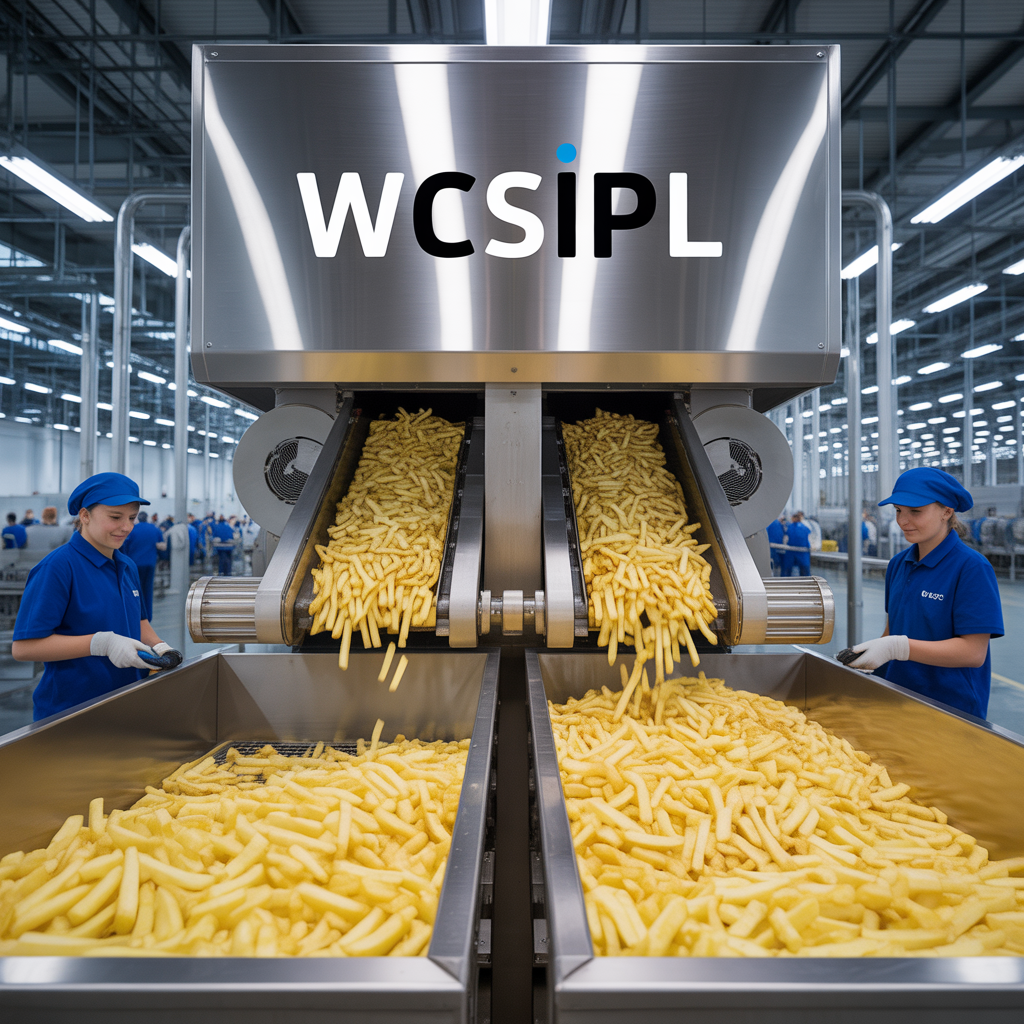
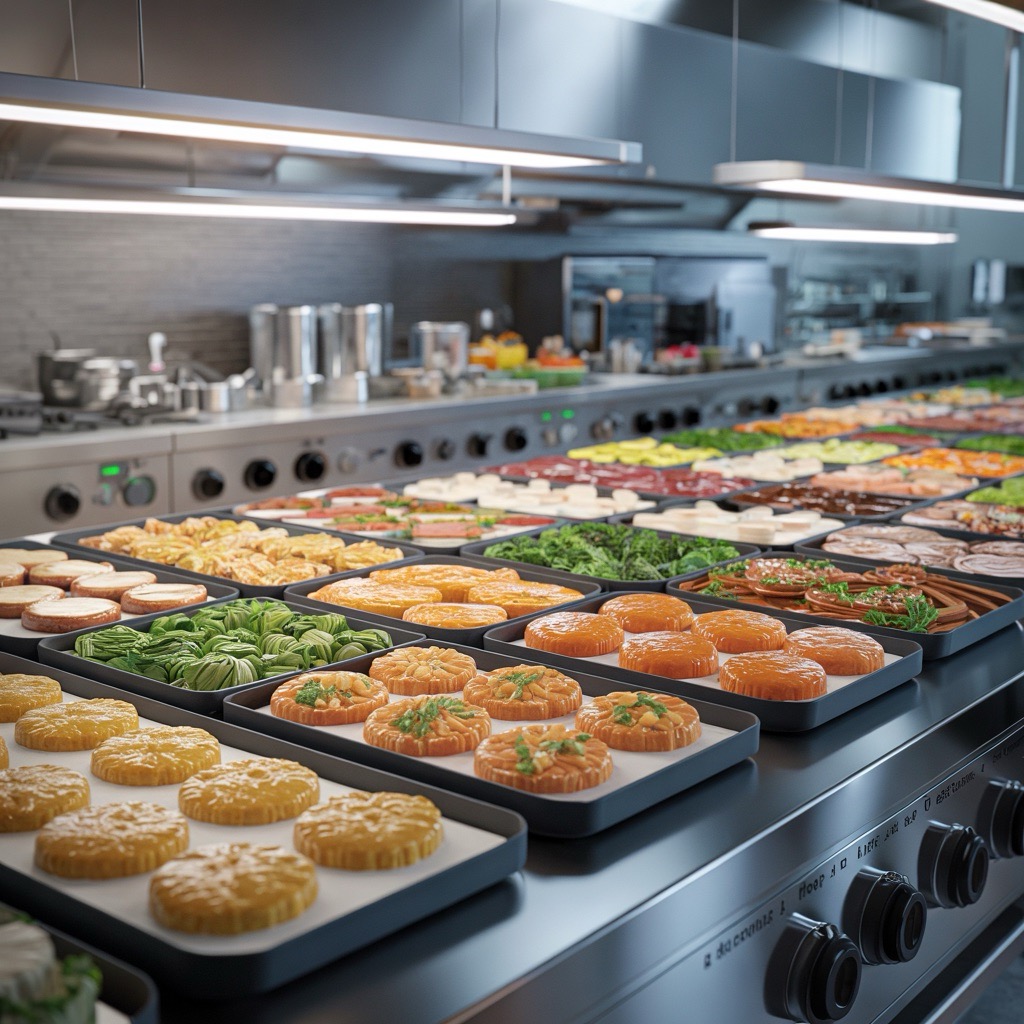
WCSIPL provides specialized HVAC solutions for the food industry, designed to maintain precise temperature, humidity, and air quality. From snacks and beverages to sauces, powders, and ready-to-eat products, our solutions ensure hygiene, product consistency, and regulatory compliance. Our advanced systems not only protect your products but also improve operational efficiency and energy usage.

Importance of Specialized HVAC in Food Industry

We serve a wide range of industries, including Food & Beverages, Automobile, Engineering, Power, Steel, Paper, Healthcare, Fertilizers, Chemicals, and Pharma. Our clients trust us for critical industrial applications where reliability, efficiency, and safety are essential.

Ensuring Food Safety

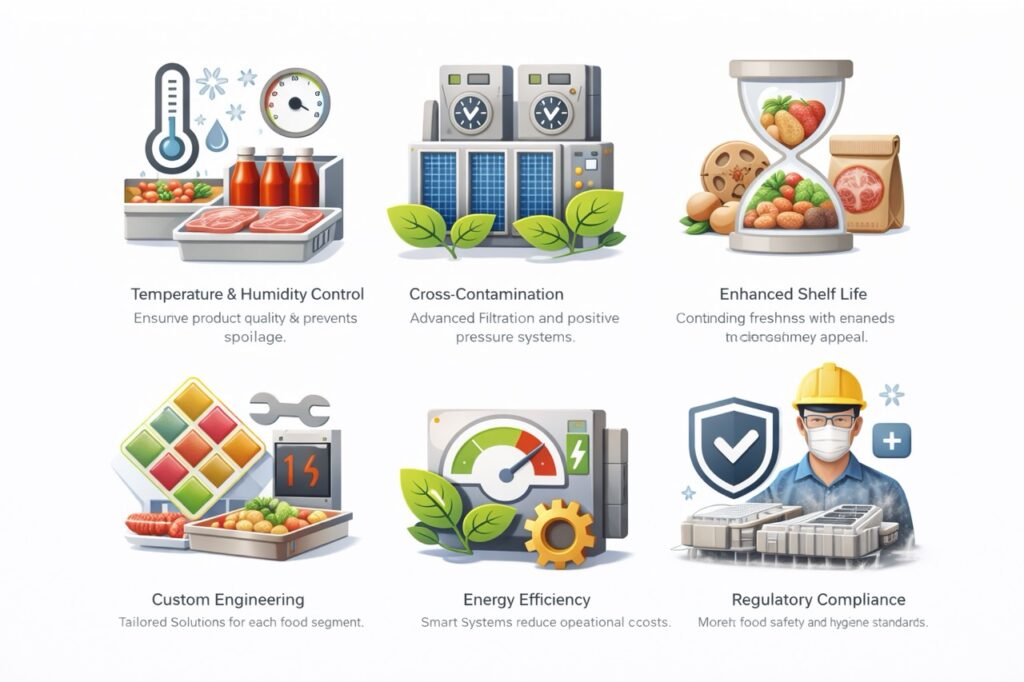
Prevent contamination and microbial growth.

Extending Shelf Life

Preserve freshness and quality.

Maintaining Product Consistency

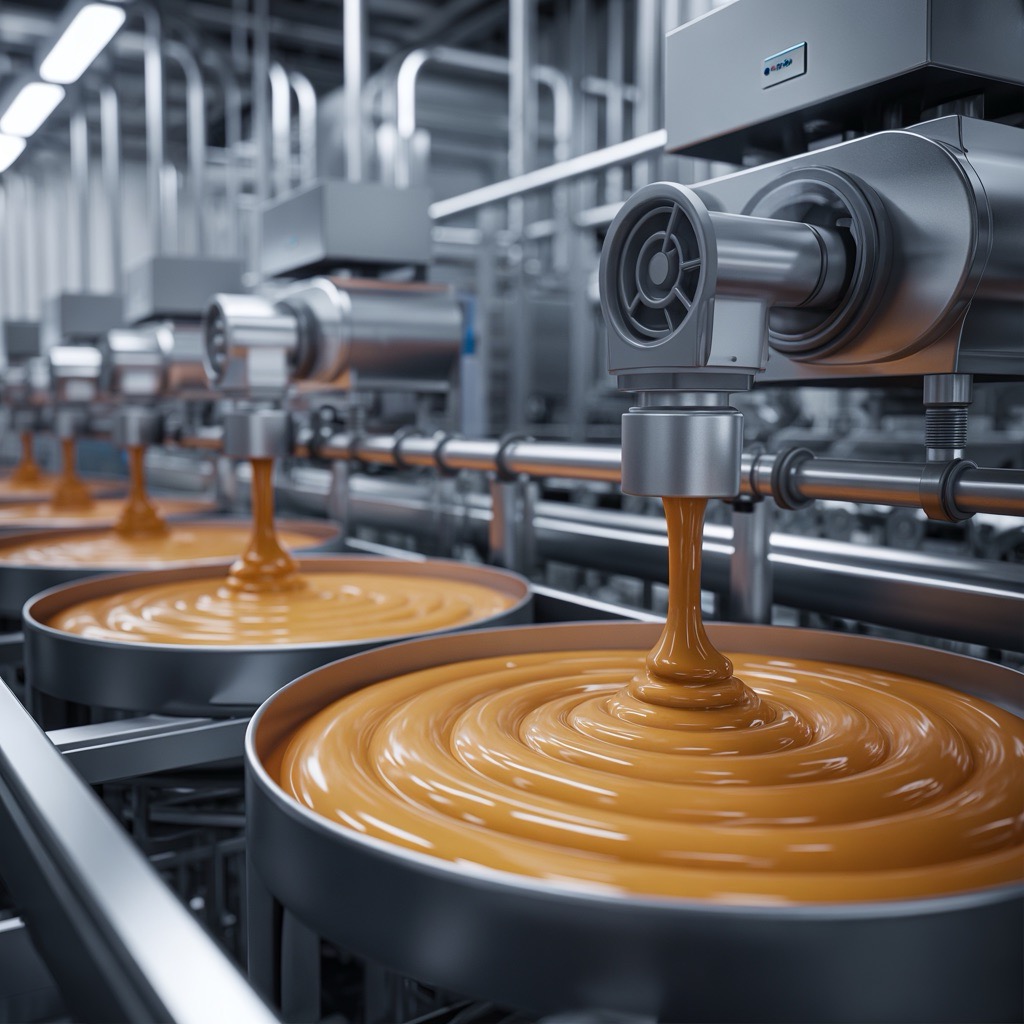
Critical for sauces, pastes, snacks, and beverages.

Energy Efficiency

Reduce operational costs while maintaining optimal conditions.

Worker Comfort and Safety

Ensure a safe and hygienic workspace.

Industries We Serve

WCSIPL provides tailored HVAC solutions for a variety of food industry segments, including:

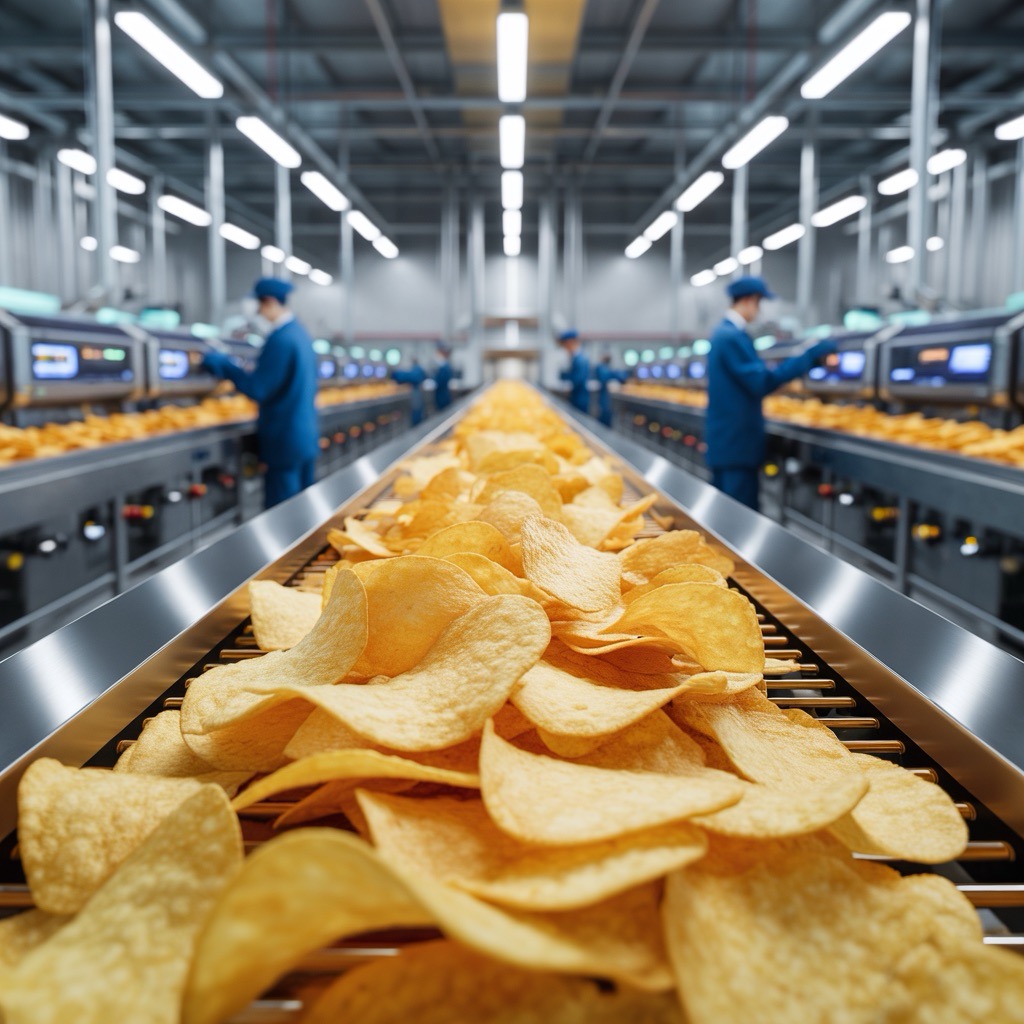
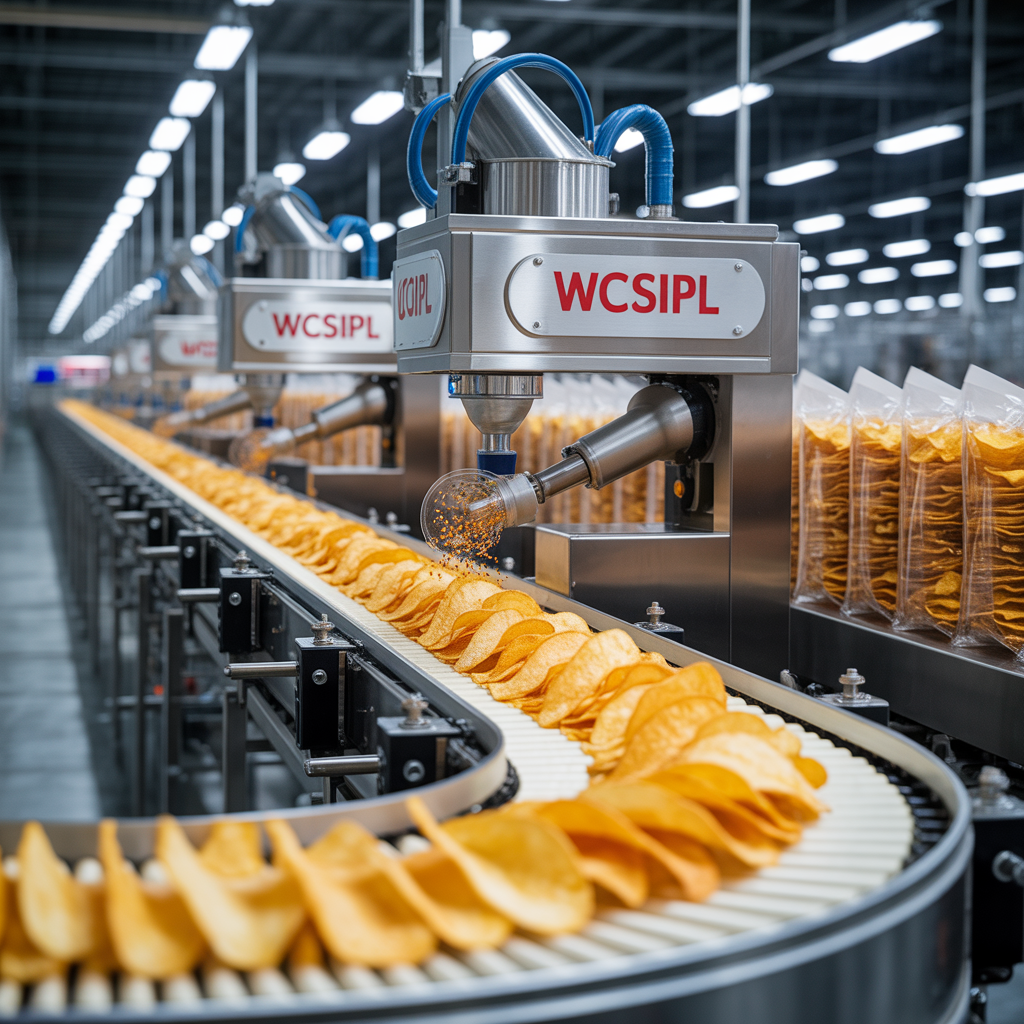
Snacks Processing

(chips, namkeen, fried foods)

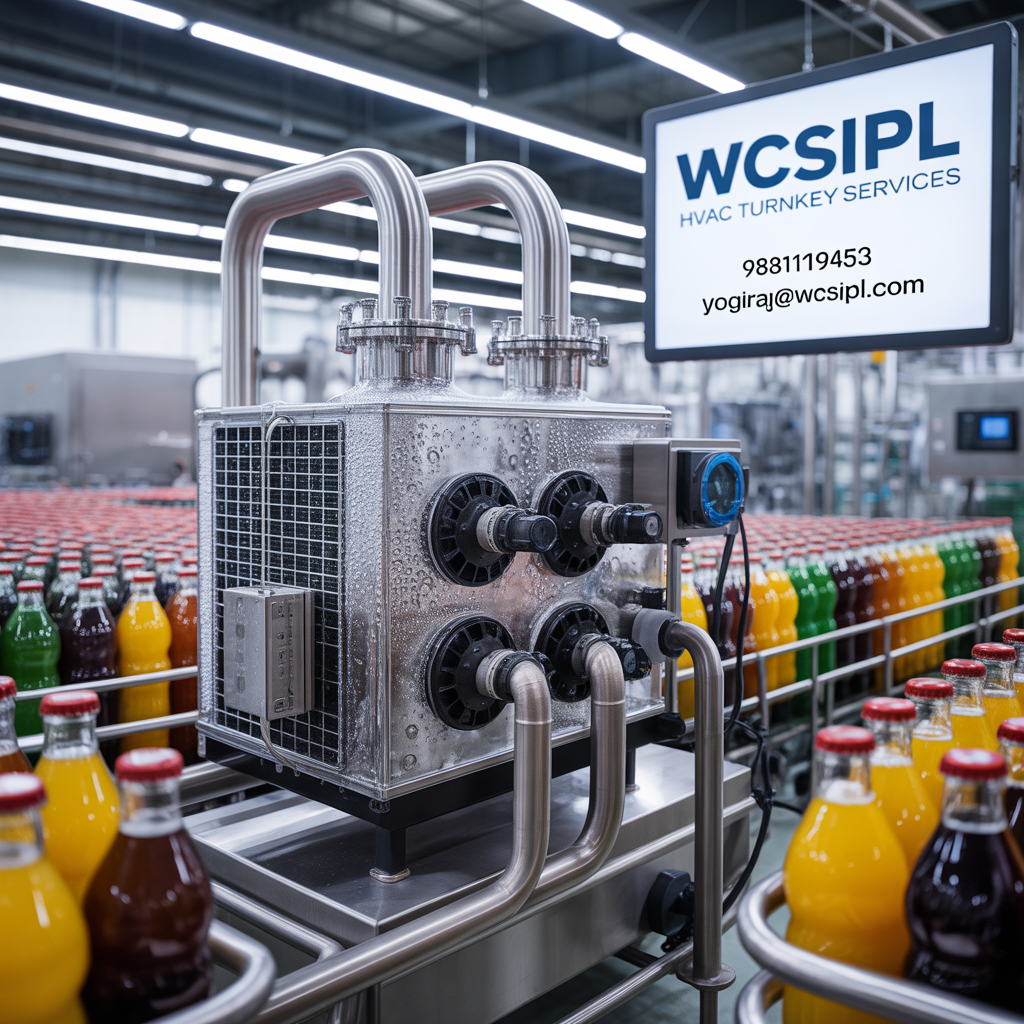
Beverages and Juice Packaging

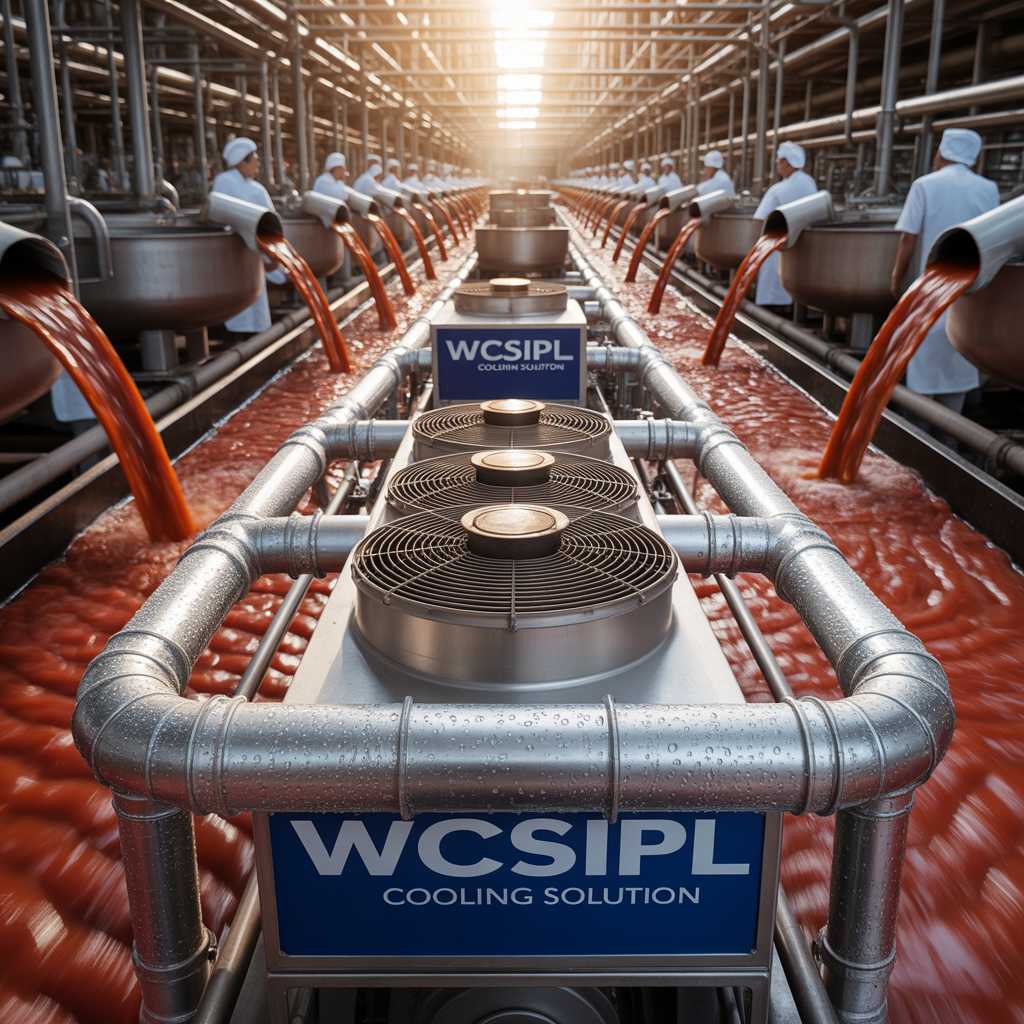
Sauces, Gravies, and Paste Production

Sauces, Gravies, and Paste Production

Spices, Dairy Powders, and Additives

Sauces, Gravies, and Paste Production

Key Benefits

Specialized Solutions

Why Choose WCSIPL?

Weather Controlling Solutions India Pvt. Ltd. (WCSIPL) delivers specialized Food Industry HVAC Solutions engineered to meet the stringent hygiene, temperature, humidity, and airflow requirements of modern food processing and food manufacturing facilities across Pune, Maharashtra, Gujarat, Chennai, Delhi NCR, Telangana, Hyderabad, Andhra Pradesh, and pan-India. With over 17 years of turnkey engineering experience, we design and execute energy-efficient industrial HVAC systems for dairy plants, beverage units, cold preparation areas, packaging halls, ripening rooms, and controlled food processing environments, ensuring compliance with food safety norms, process stability, and operational reliability. Our scope integrates hygienic HVAC design, high-efficiency ventilation systems, evaporative and mechanical cooling, positive and negative pressure management, odor and moisture control, and cleanroom-compatible air distribution where cross-contamination risks exist, seamlessly coordinated with utility piping, process exhaust, and fire-fighting systems. WCSIPL’s food industry HVAC projects are built on a design-build approach that balances product quality, worker comfort, energy optimization, and lifecycle cost efficiency, supported by in-house engineering, fabrication oversight, precise installation, testing, and commissioning. By aligning HVAC performance with process requirements rather than generic comfort parameters, we help food factories achieve consistent product quality, audit readiness, lower energy consumption, and scalable infrastructure suited for long-term operational growth.

Frequently Asked Question

Need more help?

We’re here to answer any questions you may have. 

Why is specialized HVAC necessary for food production?
It ensures precise temperature, humidity, and air quality control to prevent spoilage, maintain consistency, and meet regulatory standards.
Advanced filtration, positive pressure systems, and airflow management reduce airborne contaminants and bacteria, preventing cross-contamination.
Yes, solutions are tailored for snacks, beverages, sauces, powders, ready-to-eat products, and commercial kitchens.
Maintaining controlled temperature and humidity preserves product quality and extends freshness.
Yes, systems are optimized with smart controls and efficient AHUs to reduce operational costs.
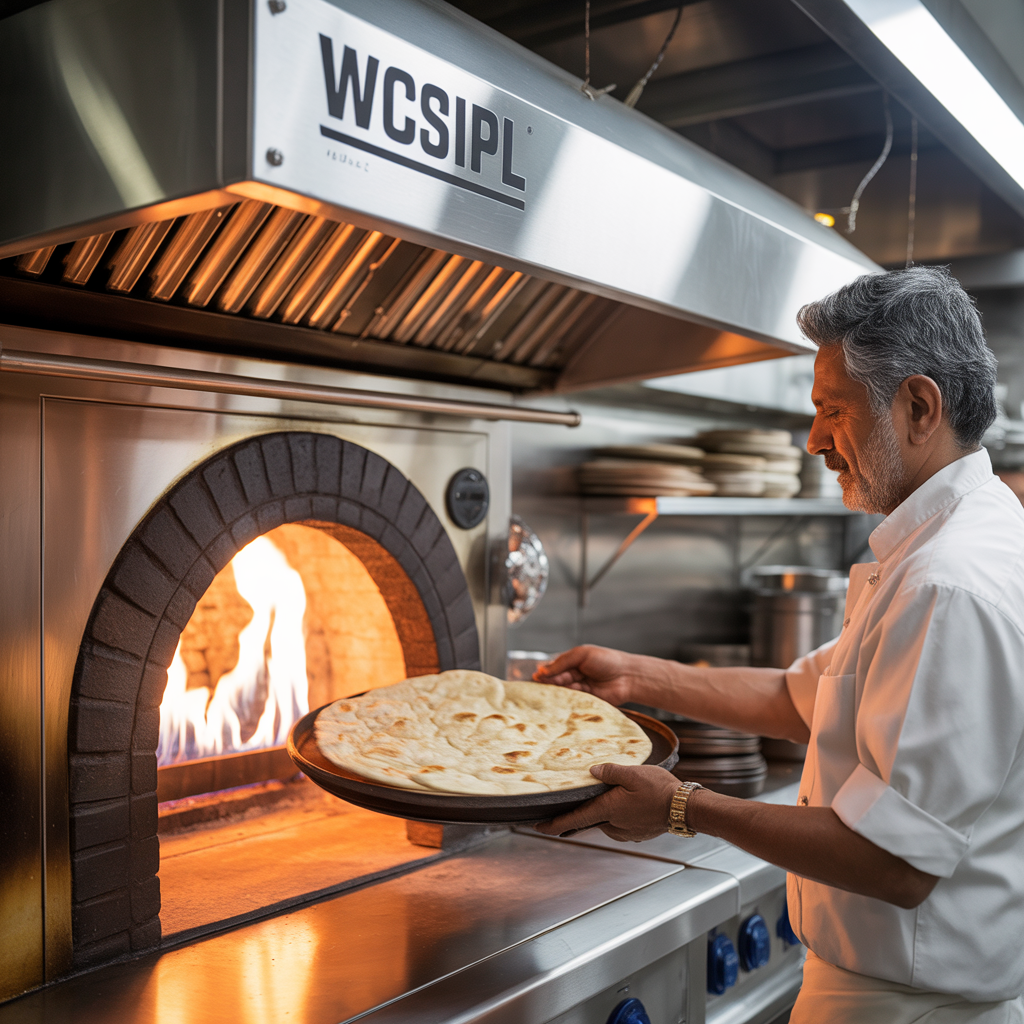
Tandoor hoods, frying equipment ventilation, steam extraction, and oil mist filtration systems ensure worker comfort and hygiene.
By providing precise temperature control, optimized airflow, and energy-efficient AHUs to maintain food safety and compliance.
Scroll to Top